

Introduction
Few food brands have reached the level of global recognition achieved by McDonald’s. At the heart of this recognition is the mcdonald’s menu, a carefully structured collection of food and beverage items designed to appeal to people across cultures, age groups, and income levels. From quick breakfasts to late-night comfort meals, the menu reflects decades of experimentation, consumer research, and operational efficiency.
The appeal of McDonald’s is not based solely on speed or convenience. It lies in consistency, familiarity, and the ability to evolve without losing its core identity. Whether someone is visiting a McDonald’s outlet for the first time or returning after years, the experience remains predictably satisfying. This article explores the menu in depth, looking at its structure, history, nutritional approach, pricing philosophy, and cultural influence.
The Evolution of McDonald’s Menu Over Time

The story of McDonald’s began with a simple idea focused on speed and efficiency. In its earliest form, the menu was extremely limited, featuring basic burgers, fries, and beverages. This minimal approach allowed the company to streamline preparation and deliver food faster than traditional diners.
As McDonald’s expanded, the menu expanded with it. New items were introduced to respond to changing consumer tastes, regional preferences, and competitive pressure. Chicken-based items, fish sandwiches, breakfast offerings, and desserts were gradually added. Each addition went through extensive testing to ensure it could be produced consistently at scale.
The modern mcdonald’s menu represents decades of refinement. While core items remain unchanged to preserve brand identity, seasonal and limited-time offerings allow the brand to stay relevant. This balance between tradition and innovation is one of the reasons McDonald’s has maintained its dominance in the fast-food industry.
Core Categories That Define the Menu
The McDonald’s menu is organized into clearly defined categories that make ordering intuitive and efficient. Burgers remain the foundation of the brand, built around signature sauces, soft buns, and familiar flavor profiles. Chicken items provide an alternative for customers seeking variety or lighter options, while breakfast offerings have become a major revenue driver in many markets.
Side items such as fries and beverages complete the experience, acting as both complements and standalone snacks. Desserts and sweets add an indulgent finish, reinforcing McDonald’s role as both a meal destination and a casual treat stop. Each category plays a specific role in shaping the overall menu strategy.
Burgers and Signature Sandwiches
Burgers are the emotional core of McDonald’s. The brand’s identity is closely tied to its classic beef patties, layered with cheese, pickles, onions, and signature sauces. Over time, variations have been introduced to suit different tastes, including double patties, premium buns, and specialty toppings.
The strength of McDonald’s burger lineup lies in consistency. Customers know exactly what they are getting, regardless of location. This predictability has turned simple burgers into cultural icons. The mcdonald’s menu uses these flagship items as anchors, ensuring that even as new products are introduced, the brand’s essence remains intact.
Chicken and Alternative Protein Options
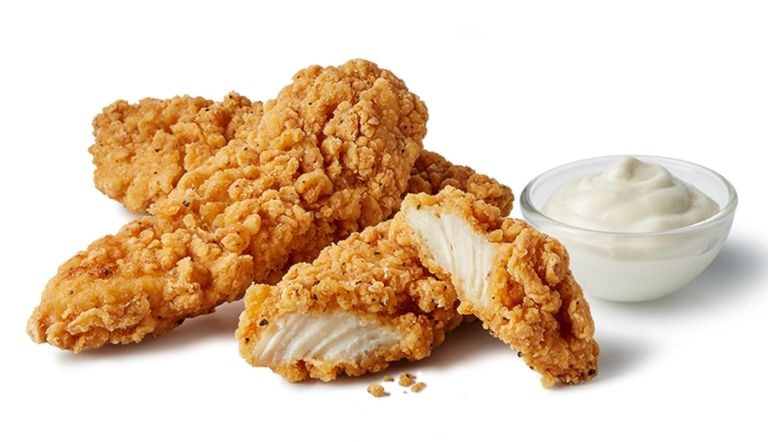
As consumer preferences diversified, McDonald’s expanded beyond beef. Chicken-based items became a major focus, offering crispy, grilled, and spiced variations. These options attract customers who prefer poultry or want alternatives to traditional burgers.
Fish-based sandwiches also hold a unique position on the menu, especially in regions where seafood is popular or during specific seasons. Together, these items demonstrate McDonald’s ability to adapt its menu while maintaining operational efficiency and brand recognition.
Breakfast Offerings and Morning Appeal
Breakfast has become one of the most important segments of McDonald’s business. The breakfast menu was designed to capture early-day customers seeking quick, affordable meals. Items typically combine eggs, bread, cheese, and meat, offering both hearty and lighter options.
What makes breakfast successful is its consistency and availability during peak morning hours. In many regions, breakfast items have developed a loyal following. The mcdonald’s menu at breakfast time reflects the brand’s understanding of daily routines and consumer habits.
Sides, Fries, and Add-On Items
No discussion of McDonald’s would be complete without acknowledging its fries. They are widely regarded as one of the most recognizable side items in fast food. Their texture, flavor, and portion options make them a natural companion to almost every meal.
In addition to fries, the menu includes a range of add-ons that enhance customization. These sides allow customers to tailor their meals based on appetite, taste preferences, and budget. The strategic placement of these items encourages combination ordering, increasing overall satisfaction.
Beverages and Desserts
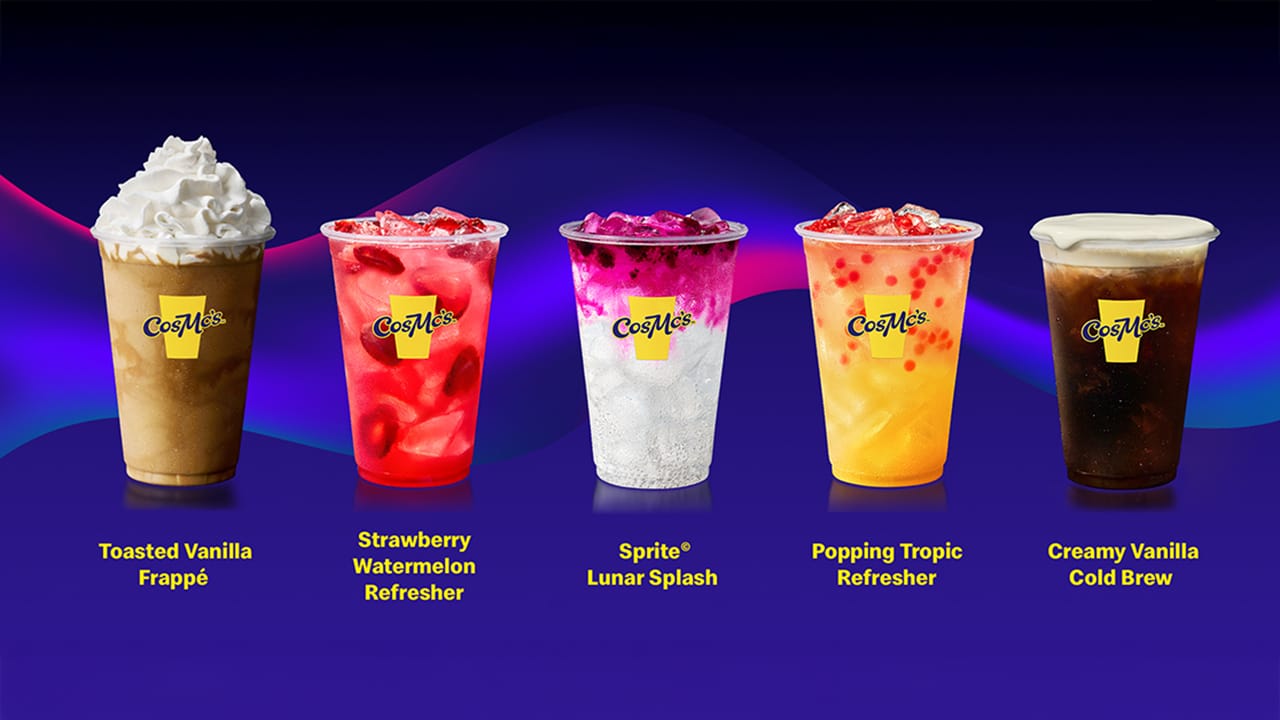
Beverages play a crucial supporting role in the McDonald’s experience. From soft drinks to hot beverages, the drink selection is designed to complement both meals and snacks. Coffee offerings, in particular, have become an important part of McDonald’s competitive strategy.
Desserts provide a sweet conclusion and appeal strongly to families and younger customers. Ice cream-based items and baked treats reinforce McDonald’s image as an accessible indulgence. Within the mcdonald’s menu, desserts help extend visits beyond traditional meal times.
Nutritional Considerations and Transparency
Modern consumers are increasingly aware of nutrition, and McDonald’s has responded by offering clearer information about its food. Portion control, ingredient sourcing, and preparation methods have all received greater attention in recent years.
While McDonald’s is primarily associated with indulgence, the menu includes options that allow for more balanced choices. This approach acknowledges diverse dietary needs without fundamentally altering the brand’s core identity. Transparency has become an important trust-building element within the mcdonald’s menu.
Pricing Strategy and Perceived Value
Affordability has always been central to McDonald’s success. The menu is structured to offer clear value at different price points, ensuring accessibility for a wide audience. Combo meals, individual items, and promotional offers work together to create a sense of choice and control.
The perceived value of McDonald’s food often goes beyond price. Speed, consistency, and familiarity contribute to customers feeling that they are getting good value for their money. This value-driven strategy has helped the mcdonald’s menu remain competitive even as food costs and consumer expectations evolve.
Table 1: Major McDonald’s Menu Categories and Purpose
| Menu Category | Primary Purpose | Customer Appeal |
|---|---|---|
| Burgers | Core brand identity | Familiar taste and consistency |
| Chicken Items | Variety and flexibility | Alternative protein choice |
| Breakfast | Morning convenience | Quick and filling options |
| Sides | Meal enhancement | Customization and sharing |
| Beverages | Complement meals | Refreshment and balance |
| Desserts | Indulgence | Sweet treats for all ages |
Global Adaptation and Regional Influence


One of McDonald’s greatest strengths is its ability to adapt the menu to local tastes while maintaining a consistent brand image. In different countries, menu items reflect cultural preferences, dietary habits, and ingredient availability.
This localization strategy allows McDonald’s to feel both global and local at the same time. Customers recognize the brand instantly, yet still find items that resonate with their cultural expectations. The mcdonald’s menu thus becomes a bridge between global branding and regional identity.
Marketing and Menu Psychology
Menu design is not accidental. The placement of items, the naming conventions, and the combination options are all carefully planned. McDonald’s uses menu psychology to guide customer choices, encouraging popular and high-satisfaction items.
Limited-time offers create urgency, while classic items provide reassurance. This strategic balance keeps customers engaged and curious without overwhelming them. The menu acts not just as a list of food, but as a storytelling tool that reinforces brand loyalty.
Table 2: Factors Influencing Menu Popularity
| Factor | Impact on Customer Choice |
|---|---|
| Familiarity | Builds trust and repeat visits |
| Pricing | Encourages frequent purchases |
| Availability | Ensures convenience |
| Customization | Enhances personal satisfaction |
| Marketing | Drives awareness and excitement |
The Role of Technology in Menu Experience
Technology has transformed how customers interact with McDonald’s. Digital menus, mobile ordering, and self-service kiosks have changed the way people explore the menu. These tools allow for easier customization and faster ordering.
Technology also enables McDonald’s to test new items, gather data, and adjust offerings based on real-time feedback. This data-driven approach ensures the mcdonald’s menu remains aligned with consumer expectations.
Cultural Impact of the McDonald’s Menu

Beyond food, McDonald’s has become a cultural symbol. Its menu items often appear in movies, advertisements, and everyday language. This cultural presence reinforces emotional connections with customers.
For many people, McDonald’s meals are tied to memories of childhood, travel, or social gatherings. The menu thus carries emotional value that extends beyond taste or price, strengthening long-term brand loyalty.
Future Trends and Menu Innovation
Looking ahead, McDonald’s continues to explore new ideas while protecting its core offerings. Sustainability, ingredient transparency, and evolving dietary preferences will influence future menu decisions.
Innovation does not necessarily mean replacing classics. Instead, it often involves refining processes, improving quality, and introducing complementary items. The future of the mcdonald’s menu lies in thoughtful evolution rather than drastic change.
Conclusion
The McDonald’s menu is more than a collection of food items. It is a carefully designed system built on consistency, value, adaptability, and emotional connection. From its humble beginnings to its current global presence, the menu reflects an ongoing dialogue between the brand and its customers.
By balancing tradition with innovation, affordability with quality, and global identity with local relevance, McDonald’s has created a menu that continues to resonate across generations. The enduring success of the mcdonald’s menu is a testament to the power of simplicity executed at scale.
Read More:- Wendy’s Menu Guide: Complete Breakdown of Items, Prices, and Quality