

Introduction
For hundreds of years, mutton has been a treasured part of many cultures’ dietary traditions. People regard it not just for its rich taste but also for its cultural, nutritional, and culinary importance. It has meant celebration, strength, and heritage in many cultures and areas. This meat has been a mainstay for a long time, unlike many modern cuisine trends that come and go rapidly. It connects generations through shared recipes and rituals. It has a strong taste, a hard structure, and can soak up spices, which makes it perfect for slow cooking and complicated recipes. As tastes change, knowing what this item really is helps explain why it is still so popular in traditional kitchens all around the world.
This meat stands for comfort, plenty, and respect for historic cooking traditions, from festive banquets in South Asia to hearty stews in Europe and the Middle East. People frequently think of it as being patient when cooking, paying attention to flavor, and valuing depth over speed. Looking at its history, nutritional value, and cultural significance shows how food can be both a source of nutrition and a way to convey stories.
Comprehending the Essence of Mutton
Mutton is the meat of an adult sheep, which is usually over a year old. This difference is crucial since age has a big effect on taste, texture, and nutrition. This meat is darker, has tougher muscle fibers, and tastes stronger than lamb, which comes from younger sheep. These traits come from the way muscles grow over time, which makes it great for slow cooking methods that break down connective tissue and bring out deep tastes.
In many places, notably in South Asia, the word is used loosely to mean goat meat as well. Even though they are technically different species, the way they are cooked and how people think of them are often the same. This has changed the way recipes are passed down and changed in different places, mixing definitions with custom. Knowing the right definition helps cooks and eaters understand why the way food is prepared is important and why patience is important when working with older meat.

Cultural and historical significance across civilizations
Sheep farming has always been strongly tied to human habitation, trade, and survival. People who kept sheep for meat, fleece, and milk naturally started eating mutton. In ancient cultures, it was generally saved for rare events, religious feasts, or important guests. This showed how valuable it was and how much work it took to make.
It became a main dish at weddings, festivals, and other celebrations in South Asian civilizations, where it stood for wealth and kindness. It shows both hospitality and culinary expertise in Middle Eastern cooking, where it is used in slow-cooked dishes with spices and herbs. In Europe, it is used in stews and roasts, especially in colder places where substantial food was needed to stay alive. These numerous traditions show how one ingredient can stay true to itself while adapting to different climates, religions, and ways of cooking.
Nutritional Information and Health Concerns
Mutton is a rich source of important nutrients for your health. It has a lot of good protein that helps build muscle, heal tissue, and keep the body working properly. It is high in iron, which helps keep blood oxygen levels healthy and boosts energy generation. This makes it especially good for people who are likely to be deficient.
It also has vitamin B12, which is important for nerve health and making red blood cells, and zinc, which is important for the immune system and repairing wounds. It does have fat, but a lot of it adds taste and helps you feel full. It can be part of a balanced diet if you eat it in moderation and make it with care. Cooking methods that don’t use too much oil and focus on gradual simmering keep nutrients intact while making the food less heavy.
Taste and texture traits
The strong, earthy taste is one of the things that makes this meat stand out. It has a unique flavor that goes well with strong spices, herbs, and slow cooking, unlike milder meats. This is exactly why it has stayed popular in cuisines that use a lot of spices. Some people might find its tough texture hard to work with, but when cooked well, it gets soft and quite gratifying.
The secret is to know how heat and time affect muscle fibers. Collagen breaks down into gelatin when you cook it slowly, which gives it a rich texture and a complex flavor. This process turns something that could seem tough into something quite nice. The richness of taste also means that lesser quantities can be more enjoyable, which is in line with mindful eating.
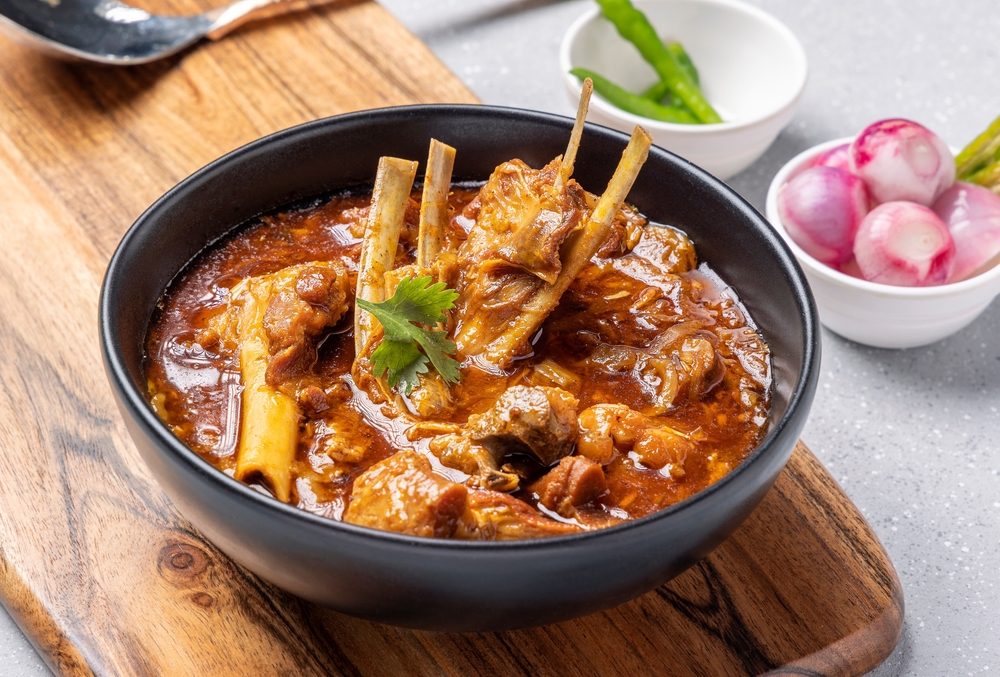
Passed Down Through the Generations: Traditional Cooking Methods
Traditional recipes that include mutton generally stress the need of being patient and respecting the ingredients. Braising, stewing, and pressure cooking are all slow cooking processes that are often employed to make food more tender. These methods let spices get deep into the food, making layers of taste instead of just coating the surface.
In a lot of homes, people don’t write down recipes; they just remember them and pass them down from one generation to the next by seeing and doing. Cooking turns into a way to convey stories, where flavors and skills keep ethnic identity alive. People don’t consider the extended cooking time as a bad thing; instead, they regard it as a ritual that lets them slow down and connect with their food. This way of thinking is very different from the fast food culture, which shows how important it is to plan ahead.
Role in Meals for Holidays and Ceremonies
Mutton is generally the main dish at festivals and other gatherings. Its presence means that there is plenty, hard work, and respect for guests. Many families can’t make these kinds of meals every day since they need planning, talent, and time. This uniqueness makes it even more valuable as a symbol.
During community events, big pots of food cook for hours, infusing homes with smell and excitement. Sharing a meal like this strengthens social ties and a sense of community. In this case, food is more than just something to eat; it’s something that people do together that brings them closer and keeps traditions alive.
Contemporary Viewpoints and Changing Tastes
Dietary trends and a greater awareness of health have changed how people think about traditional meats in recent years. Some people think mutton is too heavy or rich, while others are finding its virtues again when they cook it carefully. Both professional chefs and home cooks are trying out new ways of cooking that are lighter, have a balanced spice profile, and control portions to make old recipes work with modern lifestyles.
People are also becoming more interested in sourcing in a way that is good for the environment and people. When done right, sheep farming can help local economies and keep the environment in balance. This has made people appreciate traditional meats again, which has made them value quality over quantity. The slow cooking and farm-to-table movements are coming back, which is a good fit for this ingredient.

Culinary Adaptability Beyond Conventional Limits
Mutton has been around for a long time, yet it has been able to change a lot. Modern cooks are using it in fusion recipes that mix old-school cooking methods with new flavors. Its flexibility keeps growing, from slow-cooked sauces with grains to new takes on familiar stews.
This flexibility shows that tradition and new ideas don’t have to be at odds with each other. Instead, they can work together to keep historical ingredients useful. Cooks can commemorate the past while being creative by honoring the basic qualities of the meat and trying out new combinations.
Choosing and Handling for the Best Results
To get the finest taste and texture, you need to choose good meat. Freshness, choosing the right cut, and getting meat from a responsible source are all important. Cuts with some connective tissue are great for slow cooking because they get richer with time. Proper storage and handling keep food safe and keep its taste.
People typically marinate food to make it more tender and flavorful. Herbs, spices, and natural acids assist get the meat ready for cooking by making sure the flavor is evenly spread. This stage shows how much attention has always been put into preparation, which supports the premise that outstanding outcomes start long before cooking.
Why Mutton Still Matters Today
Even if cuisine trends change, mutton is still important since it means more than just a meal. It shows patience, tradition, and appreciation for food as a way of expressing culture. Its high nutritional content, delicious taste, and capacity to be used in many ways make sure it stays in kitchens all over the world.
Ingredients with history and meaning become more important as people look for deeper relationships with what they eat. This meat has a tale to tell about heritage, community, and skill. By learning about its properties and how to prepare it properly, current customers can carry on a tradition that has lasted for generations.
Read More:- Mutton Chops Guide: Taste, Cooking Methods, Nutrition & Culture