


Introduction
Anyone who is interested in culinary culture, nutrition, or traditional cooking has to know what mutton is. Mutton is one of the earliest types of meat that people eat, and it has been an important part of cooking traditions in Asia, the Middle East, Europe, and portions of Africa. Even though mutton has been around for a long time, a lot of people still mix it up with lamb or goat meat, which can cause problems with recipes and product labels. This page talks about what mutton is, where it comes from, what it tastes like, how it can be good for your health, and why it is still a popular meat in many cuisines throughout the world.
What is mutton? A definition and basic meaning
To really grasp what mutton is, you need to know what it is. Mutton is the meat that comes from a fully grown sheep, which is usually more than a year old. Mutton is darker, tougher, and has a stronger flavor than lamb, which originates from young sheep. The animal’s age and the way muscle fibers grow over time make this taste greater.
In many places, especially South Asia, people use the word “mutton” to mean goat meat, even though this isn’t exactly correct. But traditionally, mutton only implies the meat of grown-up sheep. This difference is important in cooking since mutton needs to be cooked in a different way than lamb or goat meat.

The History of Eating Mutton
What is mutton has a long history that stretches back thousands of years. People were some of the first to tame animals, and they did so mostly for wool, milk, and meat. In ancient cultures including Mesopotamia, Egypt, and the Indus Valley, mutton was a common source of protein. Because people generally kept adult sheep for their wool, they didn’t eat their meat until later in life. This made mutton more common than lamb in early diets.
People in medieval Europe ate a lot of mutton, but lamb was seen as a luxury. Slow cooking methods were developed over time to make mutton tender and tasty. Many traditional recipes still use procedures that were created hundreds of years ago to make mutton taste and feel better.
What’s the difference between lamb and mutton?
How is mutton different from lamb? is one of the most prevalent inquiries about mutton. The main difference is the age of the sheep. Lamb is the meat from a young sheep, usually less than a year old. It is soft and has a mild flavor. In contrast, mutton comes from an older animal, which makes it thicker and tastier.
Mutton is best when cooked slowly, either by braising, stewing, or pressure cooking, because it is tough. You can prepare lamb quickly by grilling or roasting it. These variances affect how each type of meat is utilized in different cuisines and why certain recipes call for mutton instead of lamb.
What Mutton Is Made Of: Its Nutritional Value
When looking at mutton from a nutritional point of view, it stands out as a good provider of important nutrients. Mutton has a lot of protein, which helps muscles build and tissues heal. It also has key vitamins including niacin, riboflavin, and vitamin B12, which are all needed for making energy and keeping the nervous system healthy.
Mutton also has a lot of minerals, such as iron, zinc, and phosphorus. Zinc helps the immune system work better, while iron helps keep anemia at bay. Mutton does include fat in it, but most of it is natural animal fat that adds taste and helps you feel full. Mutton can be a healthy part of a balanced diet if you don’t eat too much of it.
The taste and feel of mutton
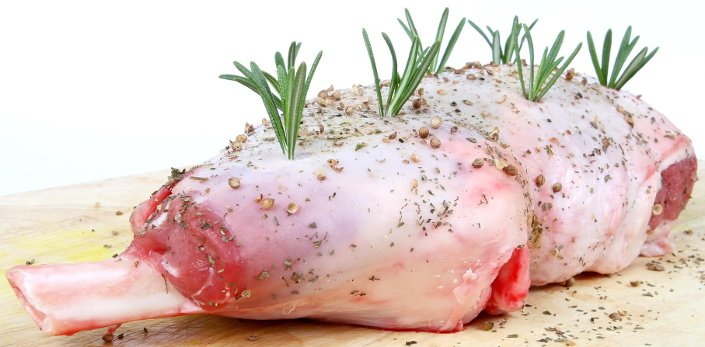
To know what mutton is, you also need to know what makes it taste good. Mutton tastes stronger than lamb and has a deep, earthy flavor. People typically say that this unique flavor is rich and a little gamey. Some people like lamb because it is mild, while others like mutton because it is rich and complex.
Mutton has a firmer texture, which is why it goes well with herbs, spices, and slow cooking methods. Slow heat breaks down connective fibers over time, making the meat soft and delicious and allowing it to soak up spices well.
The Cultural Significance of Mutton in Global Cuisines
What mutton means to people around the world goes beyond just food. In India and Pakistan, which are in South Asia, mutton is a key ingredient in festival foods such biryani, korma, and curries. These foods are commonly used to show joy, hospitality, and tradition.
In Middle Eastern cooking, mutton is utilized in stews, kebabs, and rice dishes. Mutton is frequently used in slow-cooked African dishes that are meant to bring out the best in taste and softness. In rural areas of Europe, you can still find traditional mutton recipes. This shows how important the meat has been throughout history.
Best Ways to Cook Mutton
It’s important to know how to cook mutton when you learn what it is. Because mutton is tough, it cooks best when it is slow and moist. Stewing makes the meat tender and brings out its deep flavors. Braising is a cooking method that combines searing and slow cooking to improve both texture and taste.
Many people use pressure cookers because they cut down on cooking time a lot while keeping food tender. Marinating mutton before cooking it also helps make it tender and adds spices to it, which is especially important in cuisines that employ a lot of aromatic ingredients.

Things to think about for your health when eating mutton
Knowing what mutton is from a health point of view helps people make smart food choices. Mutton has a lot of nutrients, but it also has more fat than some other meats. Portion control is vital for people who are trying to lower their cholesterol or calorie intake.
But mutton is good for people who need more nutrients, like athletes or people who are recovering from an illness, because it has a lot of iron and protein. Mutton can be a healthier choice if you pick lean cuts and cook it in ways that don’t add extra fat.
Mutton vs. Goat Meat: Getting Rid of the Confusion
People often get goat meat and mutton mixed up. In many places, especially South Asia, people call goat meat “mutton” for short. Chevon is the technical name for goat meat, whereas mutton is the name for meat from sheep.
Goat meat is usually thinner and a little sweeter than mutton. It’s crucial to know the difference for recipes because the timeframes and flavors of cooking are different. Both meats are significant in traditional cookery, even though they can be confusing.
The Economic and Agricultural Value of Mutton
What is mutton also has economic value outside of the kitchen. Sheep farming helps people make a living in many rural locations across the world. Sheep are useful for many things since they are directly tied to the wool and dairy sectors.
In places with dry weather, raising sheep is frequently better for the environment than raising other animals. This means that mutton is a significant source of protein in places where farming resources are limited.
How people see mutton today
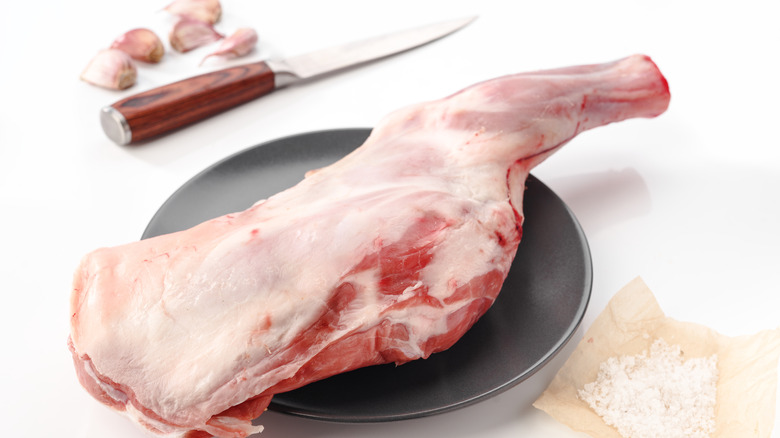
People’s ideas on what mutton is have changed in recent years. Lamb is becoming more popular in several Western countries since it is soft and has a mild flavor. Mutton, on the other hand, is harder to find. But more and more people are interested in traditional dishes and slow cooking, which has made people like mutton again.
People who love cuisine and chefs are rediscovering mutton because it has a lot of taste and is culturally authentic. As food from around the world gets more connected, mutton is becoming increasingly popular outside of its usual areas.
Ethical and environmental concerns
When talking about mutton, sustainability is a key point to think about. When done right, sheep ranching may be good for the environment. Sheep eat grass and can do well in places that aren’t good for growing crops.
To ethically source mutton, you need to make sure that the animals are well cared for and that farming is done in a responsible way. More and more, people want to know how meat is made, which is why sustainable mutton is such a crucial topic in modern food discussions.
Conclusion: Why It’s Important to Know About Mutton
In conclusion, knowing what mutton is can help you learn about history, culture, nutrition, and cooking traditions. Mutton is more than just meat; it stands for heritage and culinary depth. Because it tastes so good, is good for you, and can be used in so many different ways, it is an important part of many cuisines throughout the world.
People may make better choices about what to eat and how to cook by knowing the differences between mutton, lamb, and goat meat. Mutton is still an important and ageless element of the human culinary story, even as more people become interested in traditional and slow-cooked dishes.
Read More:- What Is Mutton Meat? Meaning, Nutrition, Taste, and Uses