


Introduction
Lemon curd is one of those amazing things you can make in the kitchen that feels both fancy and homey. People of many ages and ethnicities love it because of its bright yellow color, smooth texture, and mix of sweet and sour flavors. Lemon curd makes any meal brighter, whether it’s spread over warm toast, piled into pastries, or eaten by the spoonful. Not only is it fun to learn how to make lemon curd at home, but it’s also surprisingly easy once you know the basics.
This page goes into how to make lemon curd, including where it comes from, what you need to make it, how to cook it, how to change the flavor, and how to store it. Every part is meant to help you feel sure and clear so you can learn how to make this classic dish and change it to suit your taste.
The History and Popularity of Lemon Curd
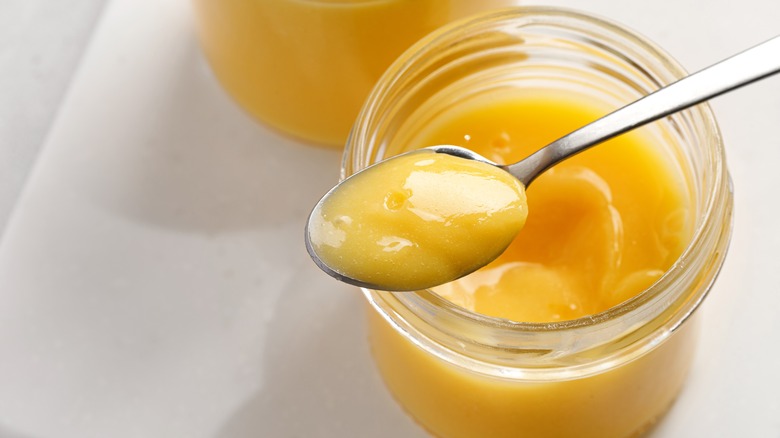
In British cuisine, lemon curd was historically served with scones at afternoon tea. It eventually transcended borders and became popular all over the world since it can be used in many different ways and tastes great. Lemon curd is different from jams and jellies because it uses eggs and butter to make a thick, custard-like texture. This makes it taste better and smoother than other things.
The balance is part of what makes it so appealing. Sugar and butter make fresh lemons less harsh, and eggs give the dish structure and smoothness. How to make lemon curd that tastes bright without being too sour or too sweet, you need to know how to find this balance.
Getting to Know the Main Ingredients
Before you start cooking, you need know what goes into lemon curd and why each item is crucial. The lemons are the stars because they give both juice and zest. The zest has aromatic oils that make the citrus flavor stronger, and the juice adds brightness and acidity.
Sugar is what makes things sweet and also helps keep the curd from getting too thick. When warmed slowly, eggs thicken the mixture and give it that velvety texture. Butter helps make lemon curd richer and gives it a shiny finish. Salt brings out the flavors of other foods and keeps the sweetness in check, even though it is sometimes forgotten.
It’s easier to comprehend how to make lemon curd when you know what each component does.
Picking the Right Lemons
Not all lemons are the same. Fresh lemons with smooth, bright skins are the best. Heavier lemons normally have more juice, which is what you want. People generally choose organic lemons, especially when using zest, because they are less likely to have been treated with chemicals or wax.
The smell of the lemon zest is a big part of the final flavor, so it makes a big difference to take the time to pick high-quality fruit. This one easy step takes how to make lemon curd from good to great.
Getting Your Kitchen and Tools Ready
You don’t need fancy instruments to produce lemon curd, but having the appropriate ones makes it easier. People usually use a whisk, a fine grater for zest, a sieve, and a dish or pot that won’t melt. It’s necessary to have even, gentle heat, therefore being patient is more important than being fast.
If you set everything up before you start, you can focus completely on cooking. People frequently don’t realize how important this step is to learning how to make lemon curd without making mistakes or getting stressed.
How to Cook
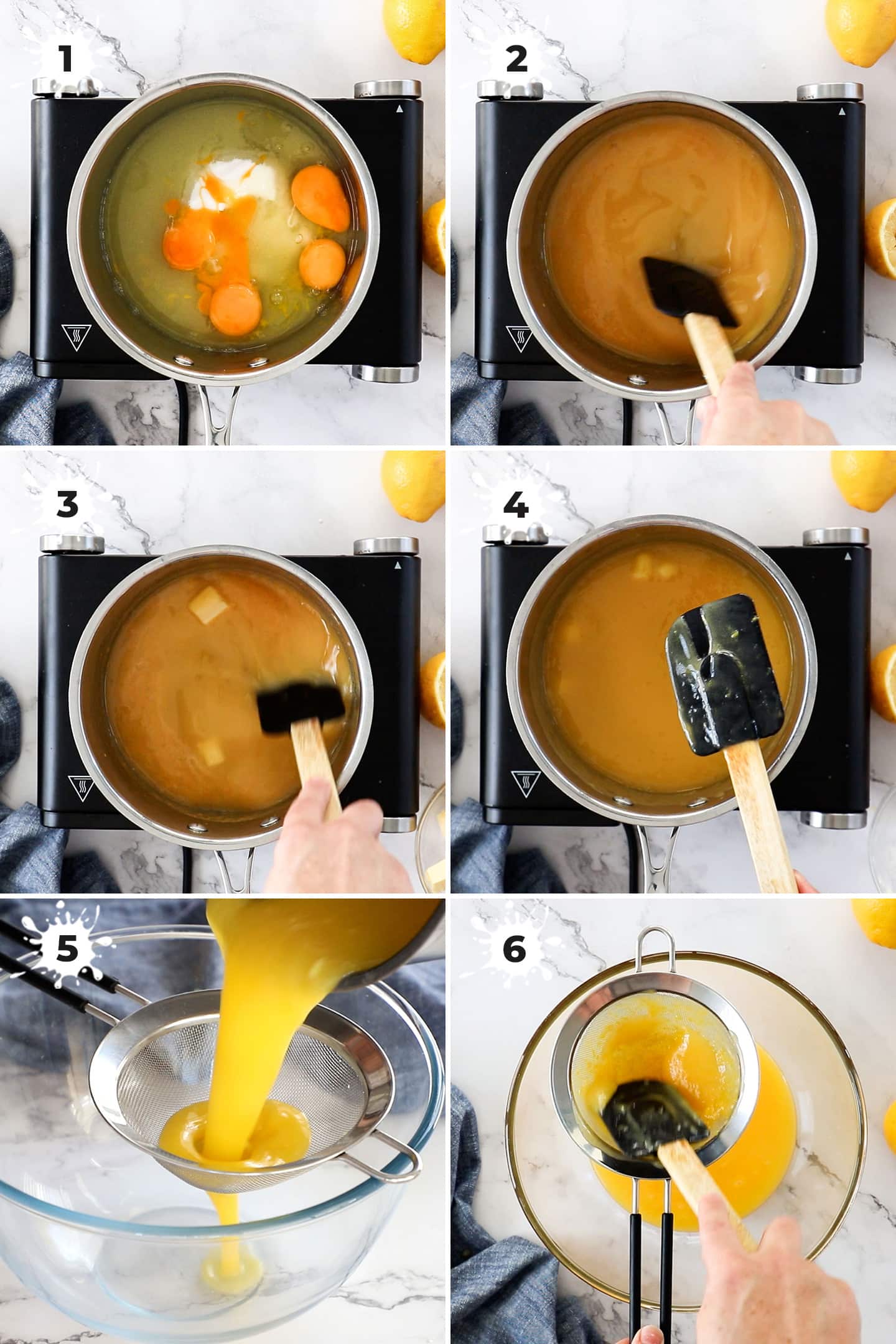
To make lemon curd, you need to cook it carefully and pay attention to it all the time. To make the mixture thicker without scrambling the eggs, you have to cook them slowly. This is why you need to whisk it constantly and use low heat.
As the mixture heats up, it slowly turns from a thin liquid into a thick, creamy curd. It’s a small change, but it’s fun to observe. Taking the curd off the stove at the correct time makes sure that it is smooth. This stage is very important how to make lemon curd that feels smooth instead of gritty.
Getting the Right Texture
Lemon curd can be ruined or saved by its texture. It feels runny and incomplete if it’s too thin. If it’s too thick, it can becoming heavy or sticky. The best consistency is one that coats the back of a spoon, keeps its shape, and is yet soft.
Straining the completed curd gets rid of any fragments of cooked egg or zest, leaving a smooth finish. You might think this extra step isn’t necessary, but it makes the final product much better and adds to the elegance of how to make lemon curd the right way.
How to Avoid Common Mistakes
Using excessive heat to try to speed things up is a common mistake. This typically makes the eggs curdled and the texture gritty. Another problem is not adding the zest, which can make the flavor flat.
It’s also possible to overcook. Lemon curd keeps getting thicker as it cools, so it’s important to take it off the stove at the correct time. Knowing about these problems how to make lemon curd more fun and easier.
Different Flavors and Creative Twists

When you get the classic recipe down, lemon curd is a blank slate for your creativity. Adding herbs like basil or thyme gives the dish a hint of smell. Adding other citrus fruits like lime or orange gives the lemon curd a more complex flavor while still keeping its basic taste.
Spices like cardamom or ginger can make things warmer, and a little vanilla can make the citrus taste less sharp. These differences indicate that making lemon curd is not a strict recipe but a flexible method that lets you try new things.
How to Use Lemon Curd in Desserts
Lemon curd is great in a lot of different sweets. You can mix it with yogurt, put it between cakes, or pour it over pancakes and waffles. It has a sharp taste that cuts through richness, so it goes well with sweets that are creamy or buttery.
Lemon curd tarts are very popular because they provide a nice contrast between the silky filling and the crisp pastry. Knowing these uses gives you ideas and perspective for how to make lemon curd with a purpose and creativity.
Lemon Curd Can be Used in More than Just Desserts
Lemon curd is commonly thought of as a sweet, but it can also be used in savory meals. You can use a little bit as a glaze for roasted vegetables or to add some sharpness to cheese boards. The sweet and sour balance makes it unexpectedly useful.
You may learn more about how to make lemon curd than only as a dessert by trying out these unusual uses.
How to Store and How Long It Lasts

If you store your lemon curd correctly, it will stay fresh and safe to eat. When kept in a clean, airtight container in the fridge, it usually lasts up to two weeks. Always use a clean spoon to serve so you don’t add moisture or germs.
You may also freeze it if you want to keep it for a longer time, however the texture may alter a little when you defrost it. If you want to produce lemon curd that you can enjoy over time, you need to know how to keep it properly.
From a Nutritional Point of View
Lemon curd is a treat, but it also has some health advantages. Lemons are a good source of vitamin C, while eggs are a good source of protein. Sugar and butter make things richer and give you energy, therefore you should only eat them in moderation.
Knowing what nutrients are in lemon curd lets you enjoy it more as a treat than as a regular food.
Modern Appeal and Cultural Popularity
Lemon curd has been popular again in recent years because of the rise of home baking and the love of homemade spreads. Its simple and elegant style fits quite well with modern cooking, which values high-quality ingredients and careful preparation.
This change in culture has made it popular for both new and experienced cooks to learn how to create lemon curd.
Conclusion: On Getting Good at Making Lemon Curd
Lemon curd is a classic recipe that pays off if you take your time and pay attention to the details. Every step, from picking out fresh lemons to slowly simmering the combination and trying out different flavors, adds to the final product. Once you know how it works, the procedure becomes easy and fun.
Learning how to make lemon curd gives you a lot of options in the kitchen. Lemon curd is a bright and attractive addition to any kitchen, whether you stick with the conventional recipe or try something new.
Read More:- Momos Near Me Guide Discover Local Flavors Street to Gourmet