


Introduction
For hundreds of years, morning meals have been a part of people’s daily lives because the first meal of the day sets the tone for physical vitality, mental clarity, and emotional equilibrium. Breakfast is not just a habit in many cultures and ways of life; it is also the basis for health, productivity, and long-term health. People frequently mean a meal that fills them up, speeds up their metabolism, and makes them feel good when they talk about the ideal breakfast. To understand what makes breakfast important, you need to think about diet, lifestyle, timing, and even psychology.
Breakfast is the first meal of the day after a long night of sleep. During those hours, the body keeps using energy to do important things like breathing, moving blood, and fixing cells. When dawn comes, the body requires food to raise glucose levels and help with focus and movement. A best breakfast can help keep blood sugar levels stable, cut down on cravings later in the day, and help you make better food choices overall.
How Breakfast Affects Your Energy and Focus Every Day

What you eat or don’t eat in the morning has a big effect on your energy levels. A healthy breakfast gives you carbs for quick energy, proteins for long-lasting satiety, and fats for hormone balance and cognitive function. Many people get tired, irritable, or have trouble focusing when they don’t eat, which can make it hard to work, study, or make decisions.
Studies in nutrition science have shown time and time again that people who eat a nutritious breakfast often do better on tasks that require memory and attention. The brain needs a lot of glucose, and after hours of not eating, it needs a consistent supply to work at its best. When you skip breakfast, your body may release stress hormones to make up for it. This can make you feel more awake, but it can also make you more anxious and give you energy crashes later.
The Perfect Morning Plate and Nutritional Balance
Balance is a key principle when it comes to finding the finest best breakfast for long-term health. A balanced lunch usually has meals high in fiber, lean protein, healthy fats, and complex carbohydrates. Whole grains, fruits, and vegetables are examples of complex carbs that slowly release energy, which keeps blood sugar levels from going up and down quickly. Eggs, dairy, legumes, and plants are all good sources of protein that help repair tissues and keep you from being hungry until your next meal.
Nuts, seeds, and natural oils are good sources of healthy fats that help the brain and the body absorb vitamins. Fiber is very important for digestion since it keeps the gut healthy and controls hunger. When these things are put together in a smart way, best breakfastbecomes more than just calories; it becomes food.
Different cultures have different ideas about breakfast.
Different places around the world have different breakfast traditions because of the food, weather, and way of life in those places. Some civilizations have a light and basic breakfast that includes mostly fruits, tea, or bread. In certain cases, it is hearty and flavorful, with grains, veggies, and proteins. These customs indicate that there isn’t one recipe for the perfect breakfast.
The most important thing is how the meal fits into your daily schedule and what you need for nutrition. A traditional breakfast eaten slowly with family can help your mental health, while a short meal that you can take with you can fit into a busy city existence. Cultural diversity teaches us that the best breakfast is one that can change and adapt, not one that is set in stone.
Breakfast and How it affects your Metabolism all Day
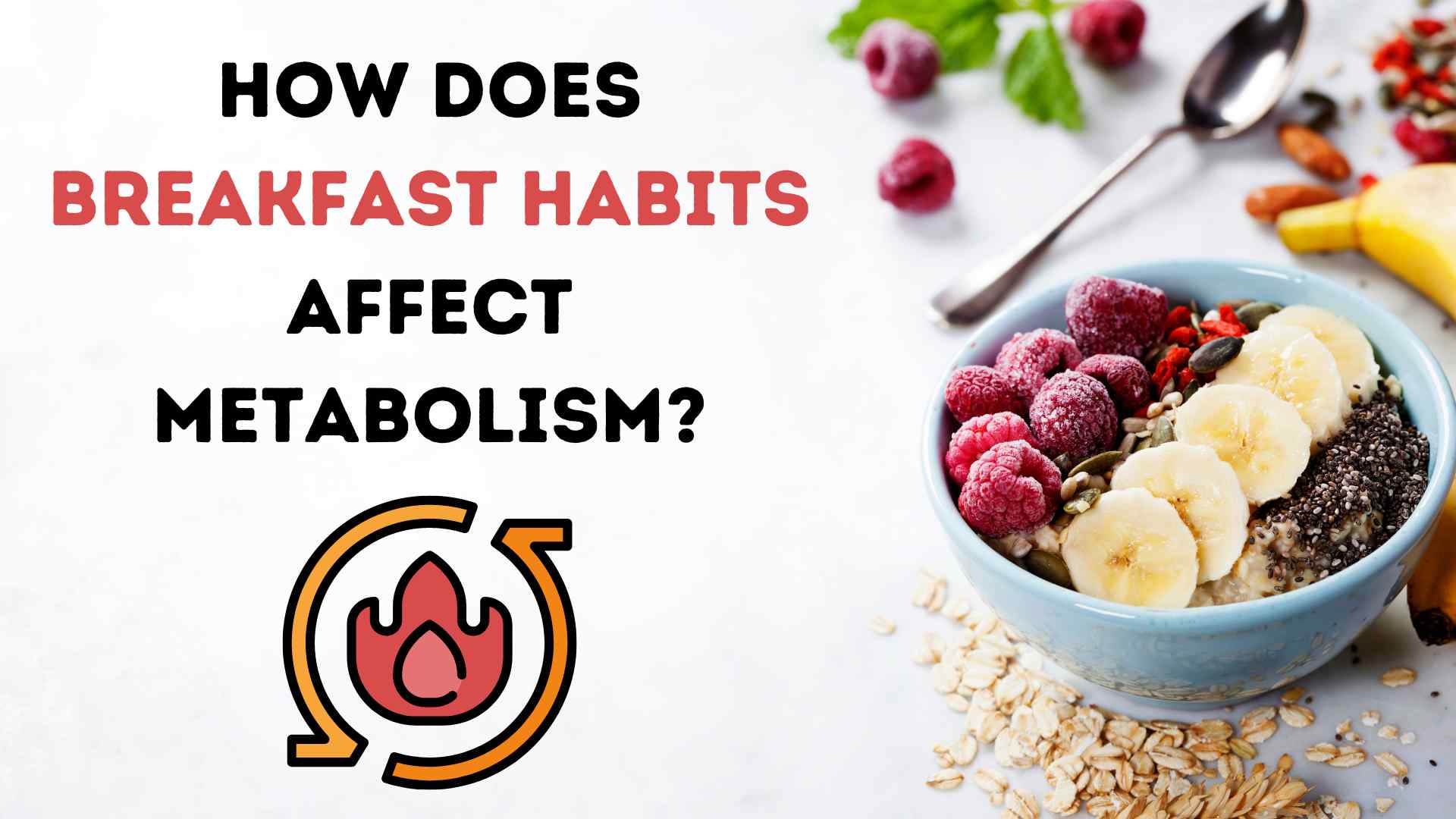
Metabolism is the set of chemical reactions that turn food into energy. Eating breakfast can help the body start these processes more quickly. Genetics, age, and exercise level all affect metabolism, but so do the time and kind of breakfast.
Eating protein in the morning has been found to boost hormones that make you feel full and stop you from eating too much later in the day. This might be quite useful for folks who want to keep their weight down or their energy level stable. If you best breakfast, you may be really hungry by noon, which can lead to bigger portions or less healthy food choices.
The Emotional and Mental Benefits of Having a Morning Routine
Breakfast is good for your mental and emotional health as well as your physical wellbeing. Eating breakfast can provide you a moment of peace before the day’s tasks begin. Even if the meal is modest, doing this process can help you relax and be more aware of the present moment.
Breakfast can be a time for families to talk and connect. It might be a time for people to take care of themselves. Choosing foods on purpose and eating without distractions will help you feel better and digest better. Over time, these small everyday habits add up to a better relationship with food.
Breakfast Options for Various Lifestyles
Things like work hours, exercise, and personal goals can affect how much best breakfastyou require. In the morning, an athlete may need additional carbs and protein to help them train and recuperate. A desk worker would do better with lighter options that keep them from getting tired. Students often need meals that help them remember things and stay focused.
To get the best breakfast for yourself, you need to know what you need. It doesn’t help to mimic someone else’s regimen if it doesn’t meet your own energy needs or preferences. Listening to your body’s hunger signals and trying out different times and amounts will help you figure out what works best for you.
How Breakfast Affects Your Long-Term Health

Eating a nutritious breakfast every day has been linked to better heart health, better blood sugar control, and a healthier body weight. others who eat best breakfastoften get more important nutrients including vitamins, minerals, and fiber than others who don’t.
Consistent morning diet over time helps keep energy levels stable and cuts down on the need for stimulants or sugary snacks. This helps people eat better throughout the day and may lessen their risk of getting long-term health problems that are linked to a bad diet.
Things People Get Wrong About Breakfast
Many people think that breakfast needs to be big or fancy to be good for you. In truth, quality is more important than quantity. People also think that best breakfast helps them lose weight. Some people do well with intermittent fasting, but for many people, skipping breakfast makes them eat too much later.
Some people also think that some meals are healthful no matter what else is in the meal. A sugary cereal or processed pastry may give you a temporary boost of energy, but they don’t have the nutrients you need to keep going. People can make better choices if they understand these misunderstandings instead of just going along with what everyone else is doing.
Making Breakfast Habits Last
Making breakfast habits that are realistic, fun, and flexible is what sustainability entails. This means making plans, picking foods that are easy to get, and being open to change. Instead of feeling guilty or going to extremes, a sustainable strategy focuses on consistency over perfection.
Getting items ready ahead of time or changing up easy dishes will help you relax in the morning. These behaviors will become second nature with time, making it simpler to stick to a healthy schedule even when you’re busy. The best breakfast is one that you can eat often without it being a chore.
Breakfast and Your Digestive Health
What and how we eat in the morning have a big effect on our digestive health. Fiber-rich foods help keep gut bacteria healthy and digestion regular. Some people may feel bad after eating too many processed foods, although warm meals might help digestion.
Eating breakfast at the same time every day helps keep your digestive system on track. Eating slowly and chewing well can help your body absorb nutrients better and make you less bloated. It’s important to pay attention to how your body reacts to different foods for your long-term health and comfort.
The Social and Economic Aspects of Breakfast
Not everyone has the same access to healthy breakfast options. Time, money, and food availability all affect choices. When talking about the best breakfast habits in general, it’s crucial to keep these things in mind.
Community organizations and educational initiatives frequently emphasize enhancing access to nutritious breakfast options, particularly for youngsters. These efforts show how important breakfast is for schoolwork and overall growth. Making the most of the resources you have can still help you make healthy decisions on your own.
Changing Breakfast as Needed
As you get older, your health changes, and your lifestyle changes, your nutritional demands alter as well. What works well at one point in life might need to be changed later. Older people can prefer foods that are easy to digest, while younger people might need foods that are high in energy.
Being open to change keeps breakfast habits helpful instead of limiting. Checking in on your needs and wants every now and then makes sure that breakfast continues to do its job well.
Breakfast as the Start of the Day
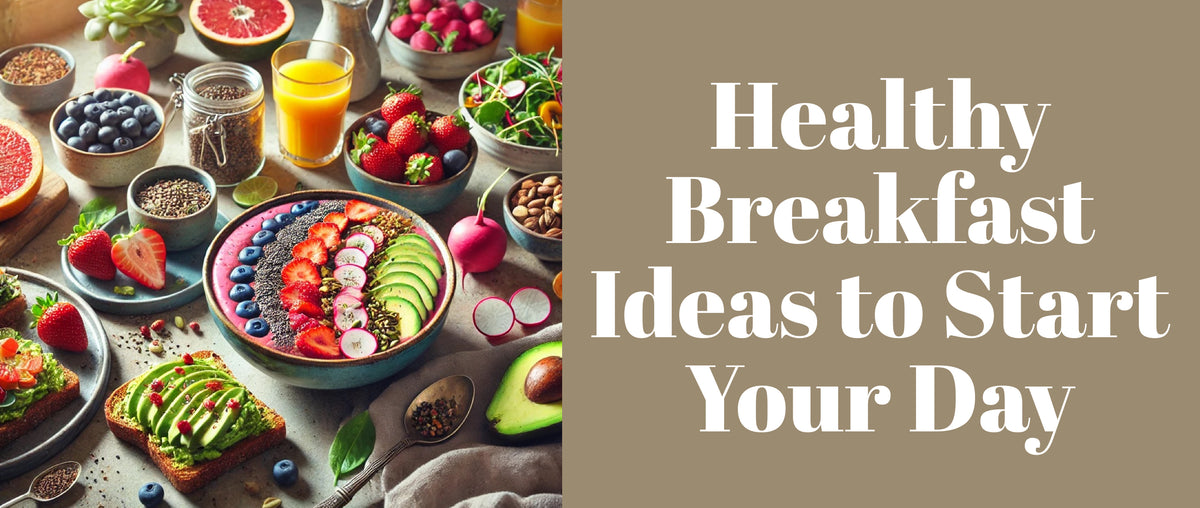
Breakfast is important since it can change the rest of the day. A healthy breakfast can make you feel better, help you concentrate, and help you make healthier choices for lunch and supper. It establishes a routine of caring and attention that goes beyond food.
People typically feel better physically, mentally, and emotionally when they find their own version of the best breakfast. This foundation helps you deal with daily problems with strength and focus.
Conclusion
Breakfast is more than just a habit; it’s a chance to start the day off right for your health and well-being. Anyone may make a breakfast that fits their goals and lifestyle by concentrating on balance, enjoyment, and sustainability.
Instead of trying to be flawless, the idea is to be consistent and alert. Listening to your body, honoring your own rhythms, and choosing healthy foods may turn breakfast into a powerful regular habit. Over time, these modest choices add up to a better, more energetic existence, starting with the simple act of eating well in the morning.
Read More:- Best Breakfast Places Near Me for Delicious Mornings and Cafe Culture